As the global population continues to age, incontinence care has become an essential part of both home care and professional nursing services.
For caregivers and healthcare providers, knowing how to properly change adult diapers is critical—not only for maintaining comfort, but also for protecting skin health and preventing infections.
In this guide, we walk you through a practical, step-by-step process to ensure safe, hygienic, and efficient diaper changing.
Changing an adult diaper is more than just a routine task. Improper handling can lead to several issues:
A standardized process helps improve care quality and overall well-being.
Proper preparation ensures a smoother and safer process.
Caregivers should wear clean clothing, keep nails trimmed, and wash hands thoroughly before starting. Gloves or masks can be used when necessary.
Maintain a clean, warm, and private environment.
Close doors or use a privacy screen to protect dignity and prevent the elderly from feeling cold.
Prepare all items in advance:
Check the individual’s urination and bowel movement status.
Assist them into a comfortable position and ensure any medical tubes are safely managed.
Help the elderly lie on their back.
Gently uncover the lower body while maintaining warmth and privacy.
Unfasten the tabs and carefully pull the front panel backward between the legs.
Avoid pulling too quickly to prevent skin irritation.
Support the shoulders and hips to gently turn the person onto their side.
Fold the soiled diaper inward under the body.
Use a warm, damp towel to clean from front to back.
Focus on:
Slide a clean diaper under the hips, ensuring the absorbent side faces the body correctly.
Turn the person back onto their back.
Remove the used diaper and dispose of it properly.
Pull the front panel up, adjust the leg cuffs, and fasten the tabs securely.
Ensure a snug but comfortable fit.
Smooth out clothing and bedding to prevent wrinkles that may cause pressure injuries.
Cover the patient and ensure they are comfortable.
After changing, observe and record:
This helps with long-term care tracking.
Make sure the leg cuffs are fully extended and fit closely to the skin.
A proper fit is essential. Diapers that are too tight or too loose can cause problems.
Clean and dry the skin after each change to prevent irritation and odor.
Dispose of used diapers properly.
For infectious cases, follow medical waste guidelines.
How to Improve Care EfficiencyFor nursing homes, distributors, or healthcare providers, efficiency matters:
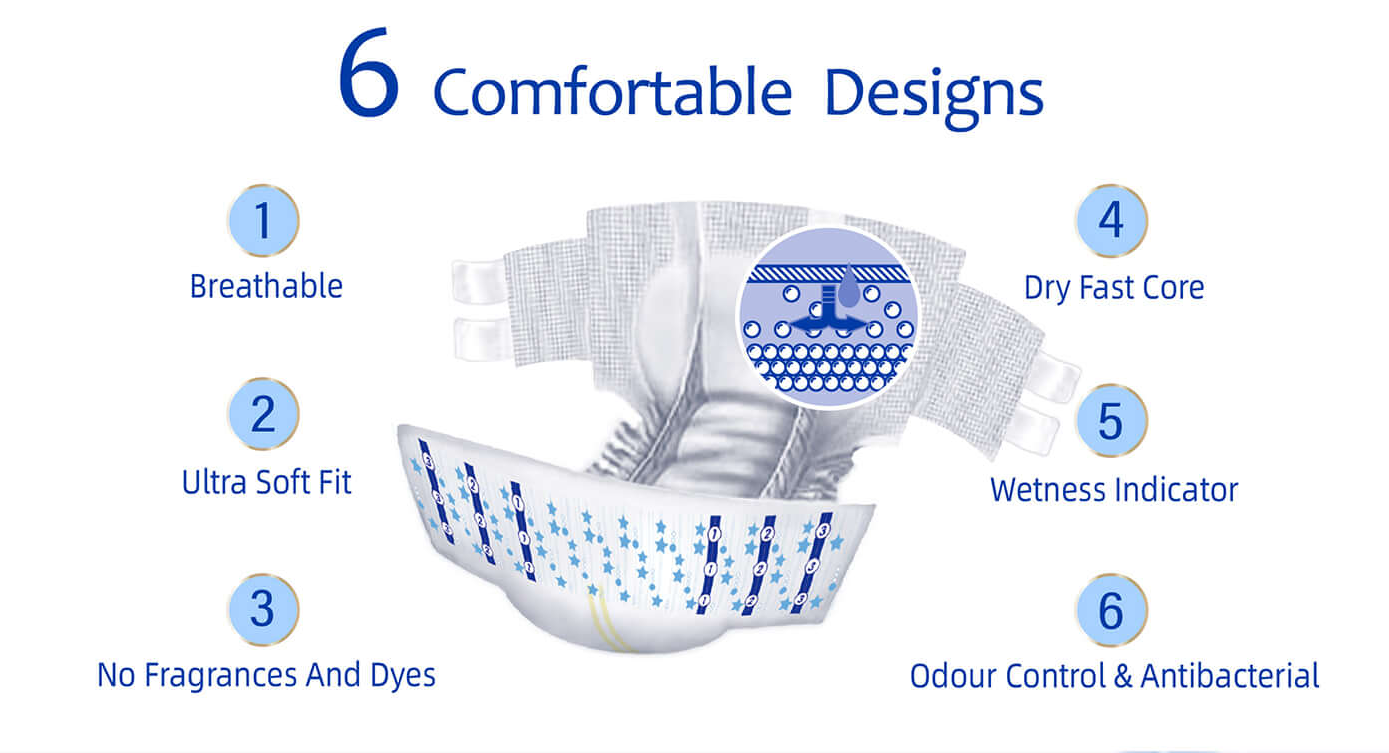
High-quality products can significantly improve both caregiver efficiency and patient comfort. |
 |
|
|
Changing adult diapers may seem simple, but every detail matters. For care providers and brands alike, combining the right products with standardized care practices is key to delivering better outcomes. |